Get this book

Amazon
Books & Kindle

Audible
Audiobook

Bookshop.org
Support indie stores
Affiliate links — I earn a small commission if you buy, at no extra cost to you. Learn more
Data via openlibrary
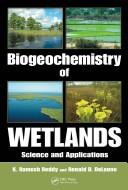
Biogeochemistry of wetlands
No ratings yet
Wetland ecosystems maintain a fragile balance of soil, water, plant, and atmospheric components in order to regulate water flow, flooding, and water quality. Marginally covered in traditional texts on biogeochemistry or on wetland soils, Biogeochemistry of Wetlands is the first to focus entirely on the biological, geological, physical, and chemical processes that affect these critical habitats. his book offers an in-depth look at the chemical and biological cycling of nutrients, trace elements, and toxic organic compounds in wetland soil and water column as related to water quality, carbon sequestration, and greenhouse gases. It details the electrochemistry, biochemical processes, and transformation mechanisms for the elemental cycling of carbon, oxygen, nitrogen, phosphorus, and sulfur. Additional chapters examine the fate and chemistry of heavy metals and toxic organic compounds in wetland environments. The authors emphasize the role of redox-pH conditions, organic matter, microbial-mediated processes that drive transformation in wetlands, plant responses and adaptation to wetland soil conditions. They also analyze how excess water, sediment water, and atmospheric change relate to elemental biogeochemical cycling.
Get this book
Amazon
Books & Kindle
Audible
Audiobook
Bookshop.org
Support indie stores
Affiliate links — I earn a small commission if you buy, at no extra cost to you. Learn more