Get this book

Amazon
Books & Kindle

Audible
Audiobook

Bookshop.org
Support indie stores
Affiliate links — I earn a small commission if you buy, at no extra cost to you. Learn more
Data via openlibrary
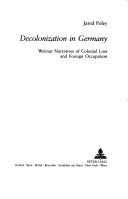
Decolonization in Germany
No ratings yet
When Germany lost its colonial empire after the Great War, many Germans were unsure how to understand this transition. They were the first Europeans to experience complete colonial loss, an event which came as Germany also wrestled with wartime collapse and foreign occupation. In this book the author considers how Germans experienced this change from imperial power to postcolonial nation. This work examines what the loss of the colonies meant to Germans, and it analyzes how colonialist categories took on new meanings in Germany's «post-colonial» period. Poley explores a varied collection of materials that ranges from the stories of popular writer Hanns Heinz Ewers to the novels, essays, speeches, pamphlets, posters, and archival materials of nationalist groups in the occupied Rhineland to show how decolonization affected Germans. When the relationships between metropole and colony were suddenly severed, Germans were required to reassess many things: nation and empire, race and power, sexuality and gender, economics and culture.
Get this book
Amazon
Books & Kindle
Audible
Audiobook
Bookshop.org
Support indie stores
Affiliate links — I earn a small commission if you buy, at no extra cost to you. Learn more