Get this book

Amazon
Books & Kindle

Audible
Audiobook

Bookshop.org
Support indie stores
Affiliate links — I earn a small commission if you buy, at no extra cost to you. Learn more
Data via openlibrary
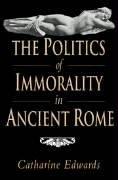
The politics of immorality in ancient Rome
No ratings yet
The decadence and depravity of the ancient Romans are a commonplace of serious history, popular novels and spectacular films. This book is concerned not with the question of how immoral the ancient Romans were but why the literature they produced is so preoccupied with immorality. The modern image of immoral Rome derives from ancient accounts which are largely critical rather than celebratory. Upper-class Romans habitually accused one another of the most lurid sexual and sumptuary improprieties. Historians and moralists lamented the vices of their contemporaries and mourned for the virtues of a vanished age. Far from being empty commonplaces these assertions constituted a powerful discourse through which Romans negotiated conflicts and tensions in their social and political order. This study proceeds by a detailed examination of a wide range of ancient texts (all of which are translated) exploring the dynamics of their rhetoric, as well as the ends to which they were deployed. Roman moralising discourse, the author suggests, may be seen as especially concerned with the articulation of anxieties about gender, social status and political power. Individual chapters focus on adultery, effeminacy, the immorality of the Roman theatre, luxurious buildings and the dangers of pleasure. This book should appeal to students and scholars of classical literature and ancient history. It will also attract anthropologists and social and cultural historians.
Get this book
Amazon
Books & Kindle
Audible
Audiobook
Bookshop.org
Support indie stores
Affiliate links — I earn a small commission if you buy, at no extra cost to you. Learn more